Death of the Penny: The Second Worst Thing To Happen to Abe Lincoln
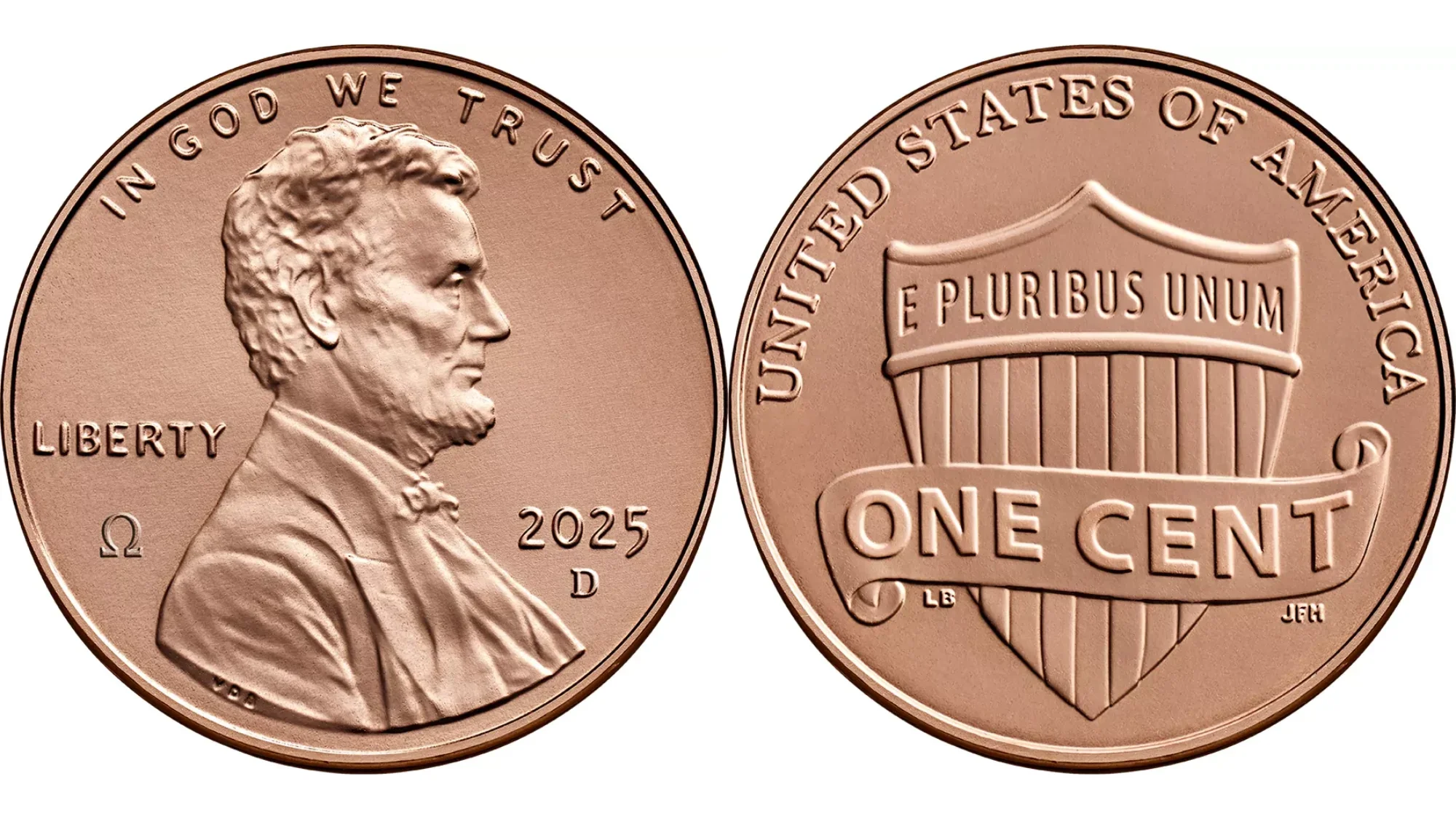
Image Credit - Yahoo
November 12th, 2025 marked a momentous and tragic day for numismatists and average citizens all over the United States: the last-ever penny was minted in Philadelphia, ending a 238 year long lineage of this famous American coin. This did not come out of nowhere; the signs have pointed towards the end of the penny for over the past decade, or as Craig Schuetze, Sequoyah High School Humanities teacher and recent penny memorial enthusiast, put it, “you could see [it] coming a long way out.” In recent years, zinc and copper prices, the two metals used in pennies, began to skyrocket. This meant that by 2024, 3.69 cents were being spent on every coin produced. So, even after attempting to produce the penny in cheaper ways, the decision was made to finally pull the plug on the mint machines as it simply was not worth the costs anymore.
This event brings up many complicated feelings for Americans who grew up with this iconic coin featuring former US President Abraham Lincoln decked out in all his bronze glory, a fitting tribute and memorialization. Despite the economic motives to the decommission, many Sequoyahns question this decision and have not met this news enthusiastically. Sequoyah high school student Edie Coye ’27 was originally surprised with the penny’s decommission, expressing that “I don't think they were hurting anybody, and I think we should have just sucked it up” and kept making them. As a self-proclaimed sentimentalist, she also will miss their novelty. “I used to collect pennies from my birth year,” she said, explaining bringing up feelings of nostalgia from her childhood.
Coye isn’t the only person who remembers the good old days when pennies were in their prime. Only a few short generations ago, they still held some economic value. Schuetze was surprised when this moment arrived, noting, “it caught me off guard. I think I took pennies for granted, like they would always be here.” He remembers how his mother “grew up on a farm where every bucket of weeds that she got out of [her dad’s] cornfield, she got a penny for.” Schuetze harkened back to simpler times, explaining that even as late as his childhood, “there was a soda machine that you could walk to from my house, that you could still get soda for a dime. You could buy a donut for a quarter.”
While Sequoyah Economics and Math teacher Eric Libicki likewise feels a sense of nostalgia for the days when the penny had greater utility, he still recognizes the logic in the US mint’s decision, especially since “the penny is such a small amount of [money] that it's almost negligible at this point because you can’t buy stuff between, like zero and five cents to begin with.” He is also thankful that his pockets will no longer be as penny-laden and heavy. He does note, however, that as a math teacher whose word problems often involve coins, some of his phrasings may have to change. “I do have a problem about spinning pennies and flipping pennies,” Libicki says, “and that's going to be sad that I have to be spinning nickels and flipping nickels from now on.” Libicki is also teaching an economics class right now and expects the decommissioning of the penny to be a continued topic of conversation.
It is important to note that pennies are not gone yet, with so many still in circulation. Penny Martinez ’26 shared the statistic that there are “billions of dollars of pennies out there, so they’re not gone yet. We have enough of them to go around.” Despite her proximity to the issue (given her first name’s overlap with the coin), this wasn’t initially on her radar. Martinez stated, “I didn't know that it was decommissioned, until Craig came up to me a couple of months ago.” But learning about the decommissioning made an impact on her. “I feel personally attacked,” she stated. “I feel persecuted.”
The penny’s decommissioning brings up some big questions about the future. If you extrapolate from this event, the future of coins and money certainly seems bleak. Schuetze brought up the looming issue of the nickel, noting, “we lose something like between six and nine cents on every nickel that is produced. So the larger story is the death of the coin.” He even took it one step further and suggested, “I think it’s not inconceivable that in my lifetime, the dollar will go away.”
So in the wake of the penny’s obsolescence, let us all take, as Martinez eloquently put it, “a moment of silence for my brethren.”