What is Student Government Up To?
EDITORS' PICK
-
EDITORS' PICK -
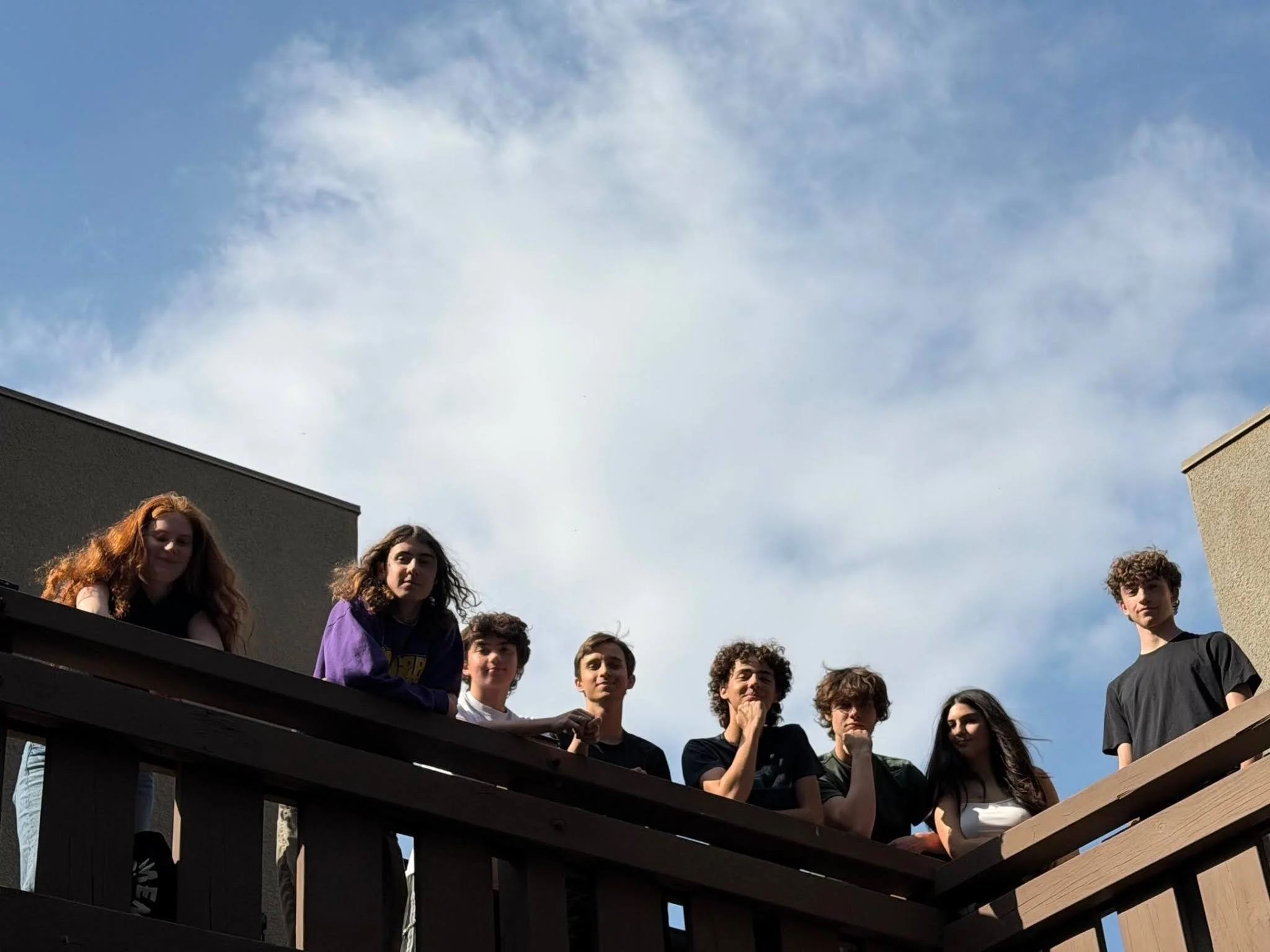
Every year the Sequoyah student body elects their student government to represent their interests to the administration and faculty. But what about after they are elected? What do they do?
Over the past three years, Student Government has seen three different faculty advisers. In 2023-24, RJ Sakai, Sequoyah’s Director of DEIJ and Community Engagement, led the team; he was succeeded by Joel Murillo, Director of Social Innovation and Advisory, in 2024-25, who was replaced in the fall of 2025 with Marc Alongi, Assistant Head Of School and High School Director. Student Government representatives reflected on the impact of these faculty transitions on Student Government's operations, with Laidy Silverman ’28, a 10th grade representative stating, “It's supposed to be student-run, but I’ve definitely noticed a change in administrator makes a change in how we get things done. So I think Student Government has become more productive this year, maybe at the cost of taking the student body's opinions into consideration.”
According to a handful of Student Government officials, this year the Student Government’s main accomplishment has been updating its rules and by-laws. “This year we have been really thinking about our institution as a whole and as a group,” noted Hart LippSmith ’27, the Student Government co-president. “This year we’ve been a lot more focused and a lot more serious about what happens during Student Government meetings.”
The original by-laws had been written in 2019 and the group determined they were outdated. “They use a bunch of words that… we don’t use anymore… ‘Steering Committee’ is what they called the group instead of Student Government,” said Truman George ’27, the 11th grade representative. But other than jargon, Student Government members had larger issues with the 2019 document. For example, the group has been looking into redefining how long students serve and what percentage of Student Government needs to vote on something for it to pass. Wiley Bouchard ’26, the other co-president, explained that in order for Student Government to accomplish bigger things in the future, they need to make internal shifts. “Sometimes if you want to think big about solutions, you have to have systems… that’s what we’re trying to do.” Unfortunately, this work won’t result in immediate changes for students. “As for tangible benefits for you guys, I’m not sure,” said George.
In the past year, Student Government has had some tangible accomplishments. They created two forms to connect students to Student Government. “If anyone wants to give any feedback or bring up an issue to Student Government, you can go to the portal…and the feedback form is under student resources,” said LippSmith. The other form is designed for students requesting money for stewardships or clubs. The school has a $11,000 student budget and although $6,000 go towards dances, mostly prom, some of the money hasn’t been used the past few years, the main reason being that there was no large push to spend it. “My personal initiative is to use all of our money. I don’t really care about saving it that much. I think as a school we can benefit from more fun activity days,” said Silverman.
Most of the group agrees that a difficulty of being involved in Student Government is the lack of power they are actually given, especially in comparison to the amount of power the student body assumes they have. “If we want something and the administration says, ‘no’, it's not a debate, it’s just ‘no’…. Some of the bigger things that I care about changing more, like phone policy or attendance policy, are things that we’ll bring to the meeting and the admin, whoever it is, will just be like, ‘no’, that's not changing,” said Silverman. Although all members of Student Government say they are just happy to be given a seat at the table, many find the lack of control frustrating. “I do wish I had more power,” said George.
Despite the challenges that Student Government has been facing, all members are optimistic that the changes in the by-laws will make student leadership more productive. Bouchard looks to the future with hope. “Because at the end of the day, as government agents, we’re human too. We procrastinate stuff and if there’s not something keeping us honest, it’s hard to get everything done. But with the new systems, hopefully that will change,” said Bouchard.